
Intermittent fasting is based on alternating periods of food restriction and eating windows. During the fasting phase, the question of allowed beverages comes up systematically, and lemon water occupies a central place in discussions. Its acidic pH and almost zero caloric content make it a popular drink, but its effects on dental enamel and digestive comfort deserve to be examined closely.
Dental Erosion and Lemon Water on an Empty Stomach: An Underestimated Risk
During intermittent fasting, oral health is directly affected by the choice of beverages consumed. The 2023 consensus from the European Academy of Dentistry reminds us that the repeated consumption of lemon water outside of meals increases the risk of enamel erosion due to repeated acidic effects, even with diluted lemon.
The mechanism relates to the oral environment during fasting. In the absence of solid food, saliva does not benefit from the buffering effect provided by chewing. Citric acid therefore attacks the enamel in an already poorly protected environment.
Drinking lemon water two or three times each morning during fasting, as recommended by some online protocols, amounts to multiplying acidic exposures on unprotected enamel. The damage is gradual and often invisible until an advanced stage. Rinsing the mouth with plain water after each intake partially limits acid contact but does not eliminate it.
To deepen the relationship between intermittent fasting and lemon water, basic nutritional data should be established before attributing excessive virtues to this drink.

Lemon Water During Fasting: Detox Effect or Simple Flavoring
The term “detox” applied to lemon water does not correspond to any identified physiological mechanism. The liver and kidneys perform the functions of eliminating metabolic waste, regardless of the presence of lemon in the consumed water.
Lemon water does not enhance the metabolic benefits of fasting through a specific “fat-burning” or “detox” mechanism. Its documented interest remains gustatory: it makes water more pleasant to drink, which can promote hydration and improve adherence to fasting over time.
This distinction matters because it changes the role assigned to this drink in a fasting protocol. If lemon water is a flavoring that helps maintain the fast, it remains a comfort tool among others. If presented as a fasting accelerator, it creates a symbolic dependency that can distract from real bodily signals.
When the Detox Label Masks Symptoms
Some people who practice intermittent fasting with lemon water report heartburn or acid reflux. The acidity of lemon, even diluted, can worsen a pre-existing gastroesophageal reflux, a common situation among those fasting with an already sensitive stomach.
The problem arises when these symptoms are minimized in the name of supposed detox benefits. Attributing a purifying virtue to a drink that causes gastric burns amounts to ignoring a clear warning signal that the body sends.
Intermittent Fasting and Eating Disorders: Necessary Vigilance
Focusing on specific beverages during fasting can contribute to excessive rigidity in dietary rules. Recent research emphasizes the importance of avoiding overly rigid or guilt-inducing protocols, particularly in individuals predisposed to eating disorders.
A protocol that imposes warm lemon water at a fixed time, with a precise number of drops, transforms a tool of nutritional flexibility into an obsessive ritual. The signals to watch for include:
- Marked anxiety at the thought of fasting without lemon water, as if the session loses all effectiveness without it
- Disruptions in the menstrual cycle associated with prolonged dietary restrictions, which fasting can exacerbate
- A tendency to multiply rules around fasting (types of beverages, strict schedules, mandatory supplements) at the expense of listening to hunger and satiety signals
Intermittent fasting should remain a flexible framework. As soon as it generates guilt or anxiety around details like beverage choice, it loses its interest and can become a risk factor.
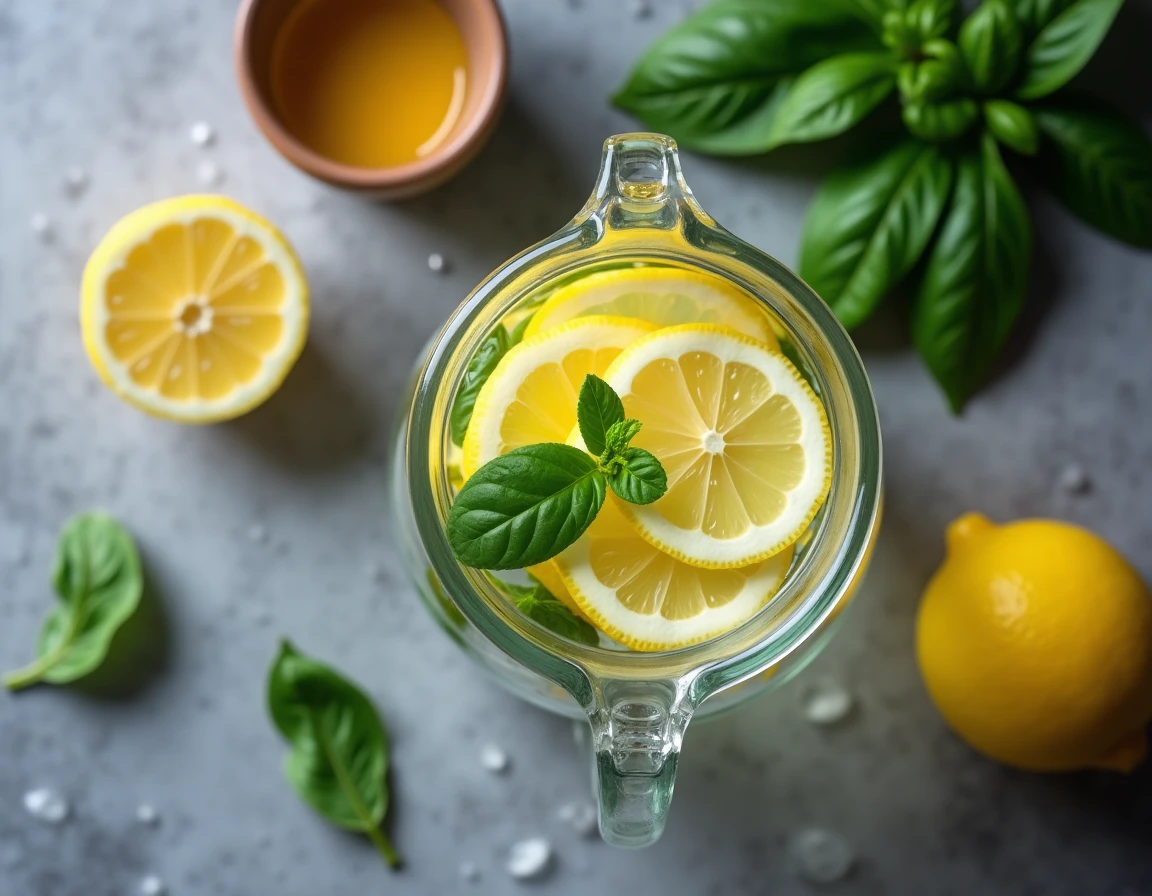
Neutral Beverages During Intermittent Fasting: Better Tolerated Alternatives
For individuals sensitive to acidity or who wish to simplify their fasting protocol, several options present a better tolerance profile than lemon water.
- Plain still water: zero calories, no risk of dental erosion, no gastric stimulation. It remains the reference for hydration during fasting
- Sparkling water without flavor or added sugar: carbonation can help temporarily calm the feeling of hunger, with a less aggressive pH than lemon water
- Unsweetened herbal teas (mint, verbena, chamomile): they provide a taste variety without acidity or significant caloric intake
- Plain green or black tea: consumed without sugar or milk, it does not break the fast and provides a light stimulation thanks to caffeine
Black coffee without sugar also falls into this category, provided it is tolerated on an empty stomach. Some individuals react to it with gastric burns comparable to those caused by lemon.
Adapting the Beverage to the Context, Not to a Trend
The choice of beverage during fasting should depend on individual digestive tolerance, not on a reputation spread on social media. A person who tolerates lemon water well and enjoys its taste can continue to consume it in moderation, ideally once during the fasting period rather than multiple times.
For those who experience any gastric discomfort or notice new dental sensitivity, replacing lemon with a warm infusion or plain water is a simple adjustment that does not change the effectiveness of the fast. Lemon water has never been a condition for the success of intermittent fasting, and no solid data justifies assigning it a specific metabolic role.