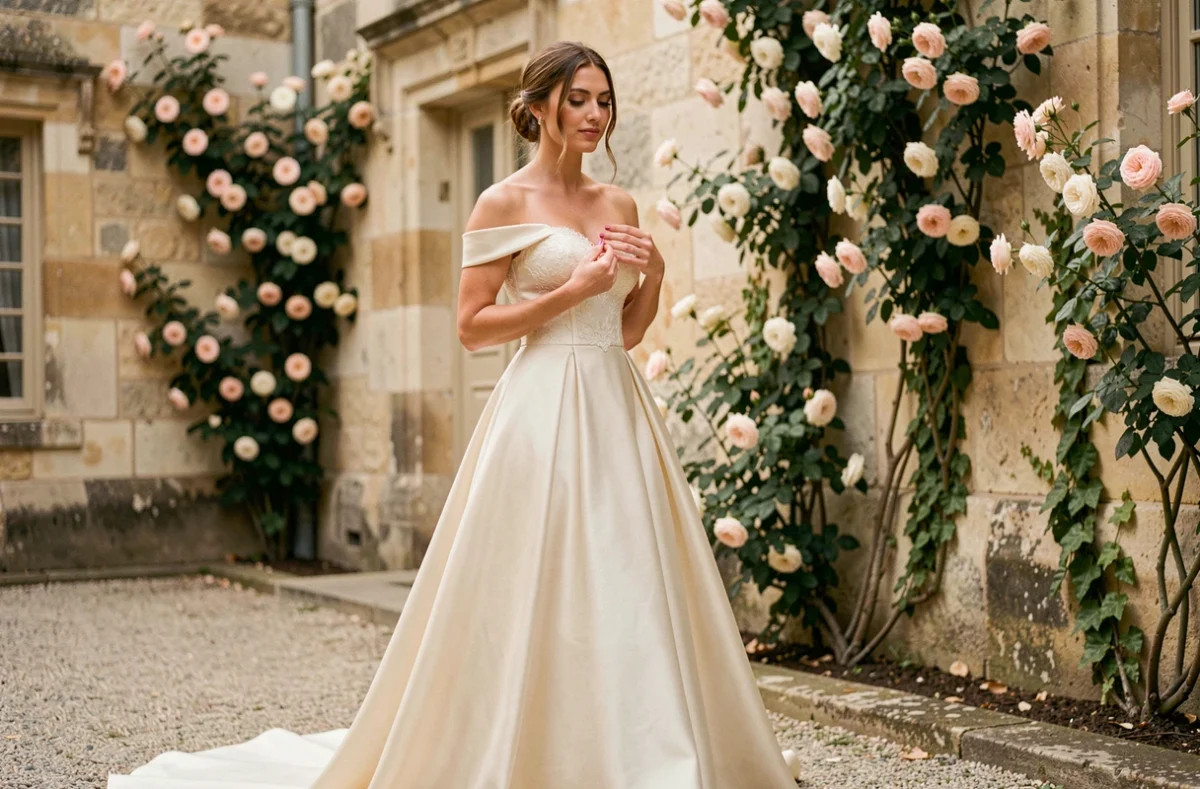
Marriage in France is experiencing a new dynamic. According to Insee (demographic report 2025, relayed by L’Union in September 2026), unions are on the rise beyond just a simple post-Covid catch-up. Couples who marry today do so later, often after several years of living together, sometimes after the birth of their children. This context profoundly changes the way ceremonies are prepared, financed, and experienced.
Wedding Budget: Who Really Pays for the Reception in 2026
The financing of weddings has significantly evolved in recent years. According to the Hyatt Vows & Venues study relayed by Question Fenêtre in September 2026, couples now manage their overall reception budget themselves. Families continue to contribute, but the final decision rests with the future spouses.
This shift has direct consequences on the choice of service providers, ceremony locations, and attire. A couple who finances alone prioritizes their spending differently compared to a traditional family-organized wedding.
| Financing Model | Decision on Key Items | Observed Trend |
|---|---|---|
| Majority Family Financing | Shared, sometimes negotiated decisions | Gradually declining |
| Couple Financing | Total autonomy over the budget | Strongly increasing |
| Mixed (pool + family + couple) | Variable based on contributions | Most common model |
To keep up with the latest from Le Blog Mariage, you can find service providers who adapt their offers to these new financing methods, particularly with customizable packages.

Transparency of Funds and Payment Fees: A Regulatory Issue
Wedding fund platforms have multiplied in recent years. The issue of fees applied to each transaction is becoming a regulatory topic. Platforms must now disclose fees before the transaction, which changes the game for couples and their guests.
Several French services offer fee-free funds for the newlyweds but pass the costs onto contributors in the form of optional tips or commissions. Careful reading of the general conditions remains the only reliable way to compare offers.
- Check if fees are charged to the couple, the guests, or both parties
- Compare the time frame for fund disbursement after the ceremony
- Ensure that the platform clearly displays the net amount received before payment validation
This demand for transparency reflects a broader trend: couples in 2026 want to understand where every euro spent goes.
Marriage and Sustainability: Beyond Natural Material Decor
Articles on wedding trends regularly mention linen, raw wood, and dried flowers. The reality of sustainable demand goes further. Sustainability is becoming a full-fledged commercial criterion for service providers in the wedding sector, as highlighted by the Sustainable Wedding Alliance in its impact report.
In practical terms, this means that couples no longer settle for “natural” decoration. They question caterers about the origin of products, request quotes detailing the logistical footprint of the reception venue, and prefer wedding dresses sourced from short supply chains or second-hand.

However, the market remains heterogeneous. Some providers claim a sustainable approach without certification or verifiable traceability. The lack of a unified label makes comparison difficult for future spouses.
- Ask caterers for details on the origin of ingredients and surplus management
- Check if the reception venue has a waste sorting and reduction policy
- Prefer providers who can provide a quantified report of their environmental commitments
Late Marriage and Confirmation Ceremony: What Demographic Data Says
The analysis published by Telos in September 2026 based on Insee data sheds light on a structural phenomenon. About three out of five children are born out of wedlock in France. Marriage is no longer the starting point of family life for the majority of couples.
This evolution transforms the very nature of the ceremony. For many newlyweds, the big day celebrates a relationship that has already been built, with its markers, compromises, and sometimes children. The reception then becomes a moment of confirmation rather than a founding act.
The consequences are visible on the ground. Secular ceremonies are on the rise, the speeches of the newlyweds sometimes replace those of the parents, and the couple’s children actively participate in the day’s events. Providers who integrate this reality into their offerings (adapted entertainment, flexible planning, family staging) better meet current expectations.
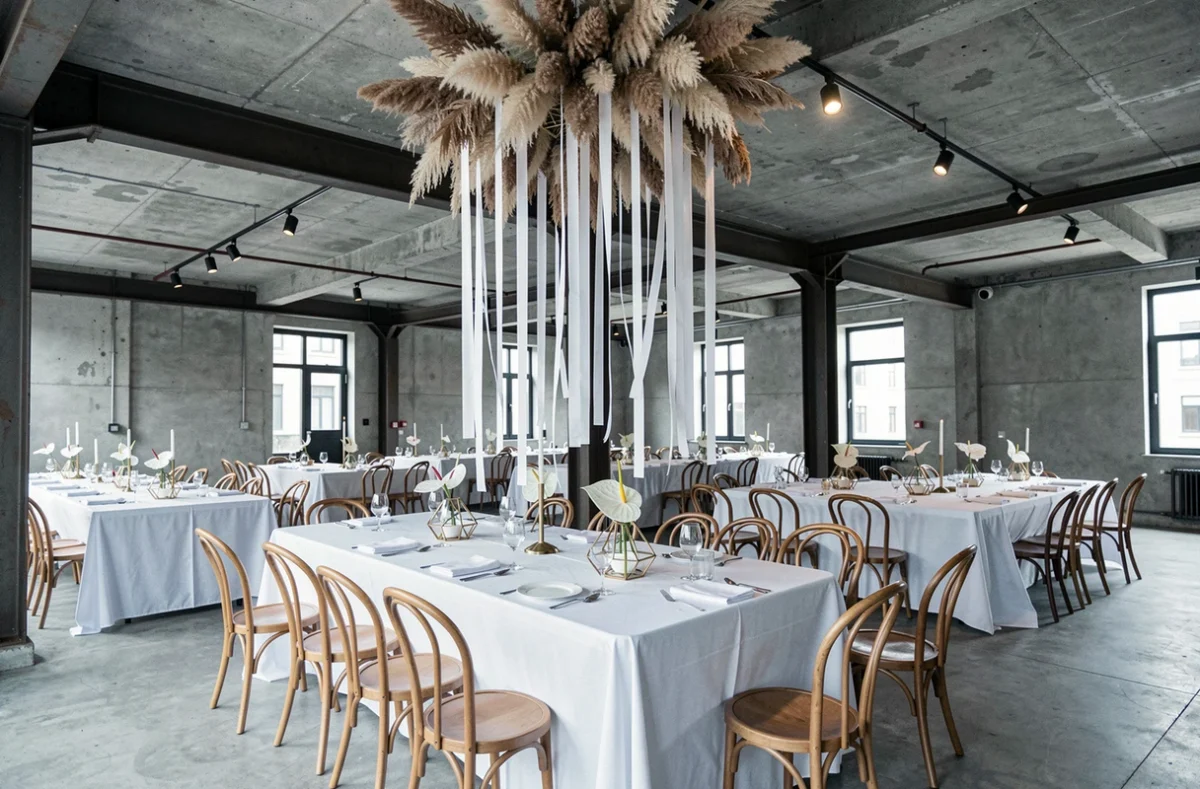
Marriage in 2026 is less about color palettes or dress styles and more about financial decisions, transparency demands, and sustainable choices made by couples. Demographic data confirms a gap between the traditional image of marriage and its actual practice.