Cultivating a tree, whether it is fruit-bearing, ornamental, or timber, requires a certain know-how. A tree is not an ordinary plant: it needs space, light, suitable soil, and a certain amount of water to grow properly. Be sure to take into account the climatic conditions of the region and the tree’s ability to resist diseases and pests. This gardening guide provides accurate information on the necessary elements to grow a tree, aimed at helping gardeners, both novice and experienced, create a healthy and sustainable green space.
Seed Germination: How to Create Ideal Conditions
In the gardening guide to understanding the necessary elements to grow a tree, seed germination is a crucial step. The optimal conditions for this phase are numerous and vary depending on each tree species.
The quality of the seeds is essential. Quality is not only determined by external appearance but also by internal viability. A viable seed has a living embryo capable of germinating under the right environmental conditions. You should obtain your seeds from a reliable source that adheres to agricultural and environmental standards.
Next is the soil parameter, one of the necessary elements for growing a tree. Fertile, well-drained soil that can retain water is ideal for most fruit and forest trees. The soil pH must also be considered: it influences the availability of essential nutrients for growth such as phosphorus or potassium.
Light exposure also greatly influences their ability to germinate properly, especially in their early development phases. For example, some seeds need direct sunlight for several hours a day, while others prefer partial shade.
Temperature also plays a crucial role in the germination process: each seed has its own optimal thermal requirements. Most require a gradual day-night temperature variation so they can activate their internal biological processes to transition from dormancy to germination.
The water factor cannot be overlooked. Seeds need water to swell and break their rigid outer shell so that the embryo can emerge. Balancing this supply is essential: excess water can cause seed rot, while a deficit can dry out the embryo.
Understanding these optimal conditions thus represents a true initiation into the secrets of gardening. Nature teaches us once again that every detail matters in our daily relationship with it. To master the necessary elements to grow a tree, one must know how to combine patience, observation, and respect for nature.
Essential Care for Optimal Tree Growth
When it comes to promoting the growth of a tree, be sure to provide the necessary care. Make sure to choose the right location for your tree. Sun exposure plays a crucial role in its optimal development.
Trees need an adequate amount of sunlight to perform photosynthesis, a vital process that allows them to produce the nutrients and energy necessary for vigorous growth. Ensure that your tree receives direct sunlight for a large part of the day.
Consider the specific water needs of your tree species. Each type has its preferences regarding soil moisture, and be attentive to avoid any issues related to excessive or insufficient irrigation.
Another crucial step is regular fertilization. Trees need an adequate nutrient supply to grow properly. Using natural fertilizers such as organic compost or manure can greatly improve soil health and fertility. On the other hand, be careful not to over-fertilize, as this could lead to an excessive accumulation of nutrients in the soil that could harm the natural balance of the tree’s root system.
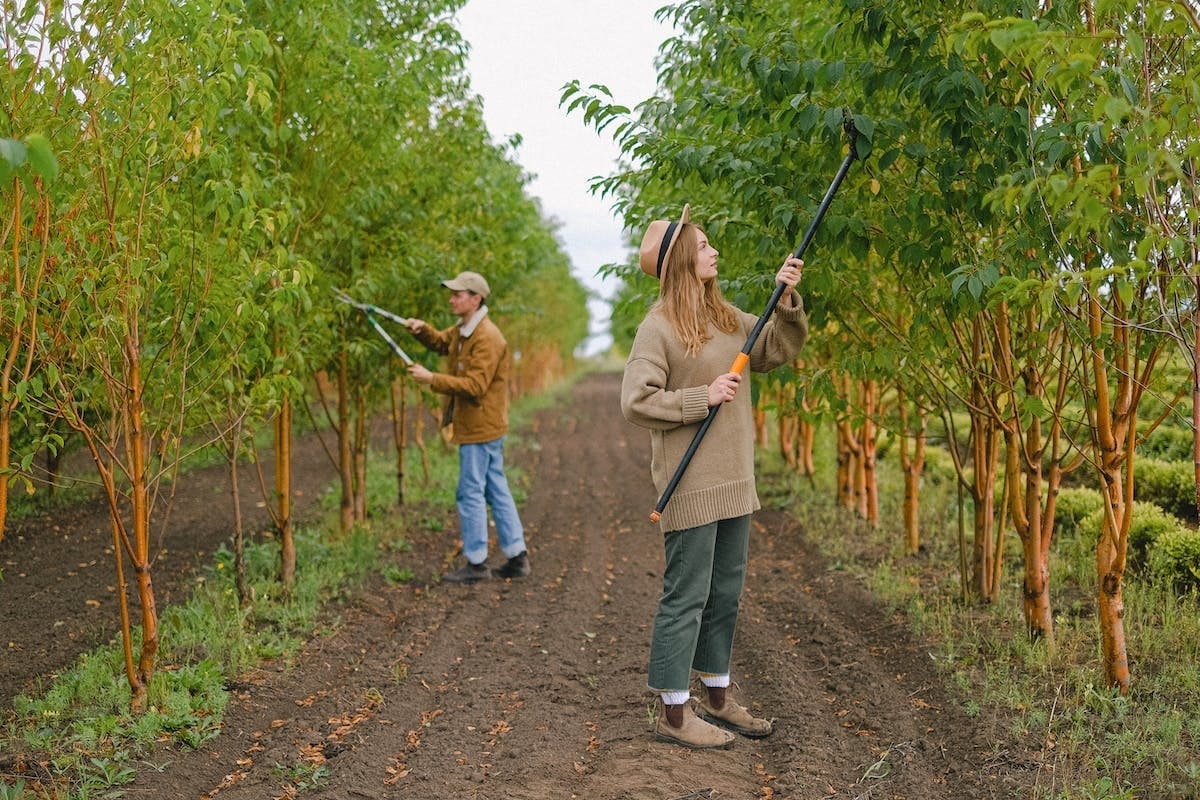
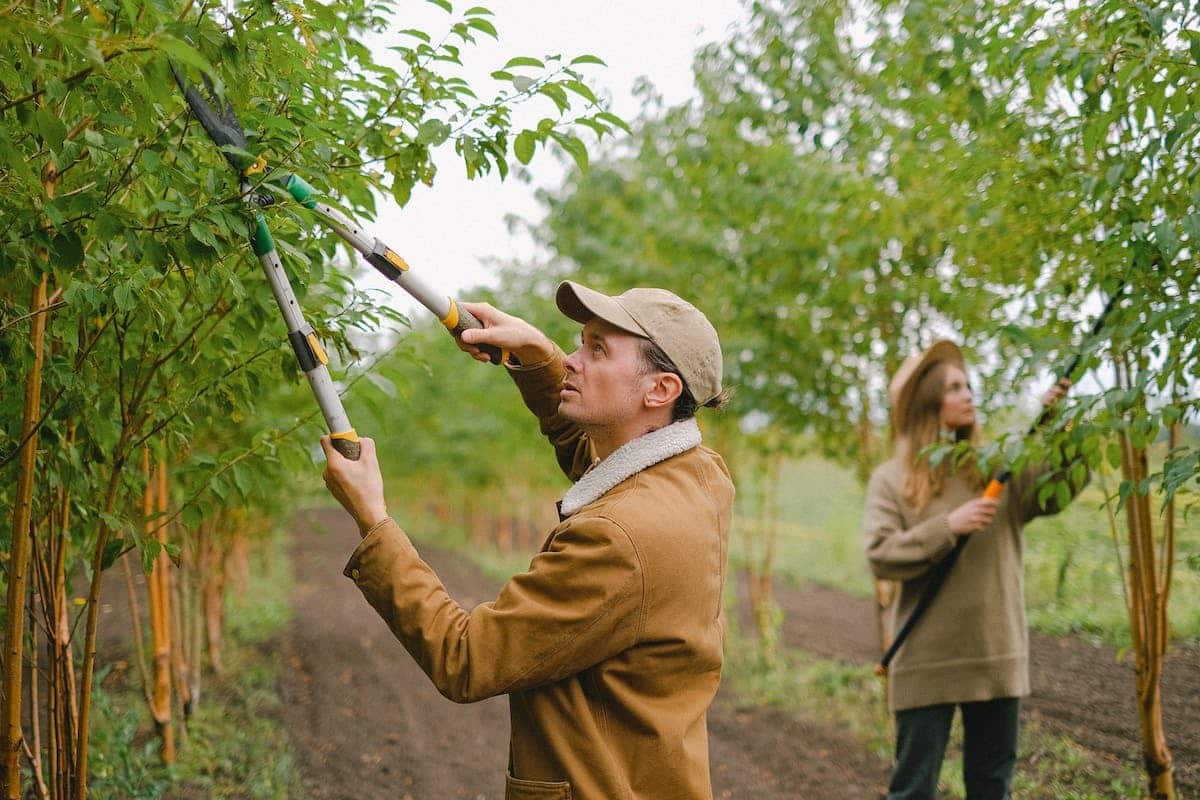
Beyond fundamental considerations, we must not neglect the aspects related to appropriate pruning and necessary trimming. Regular and judicious pruning aims to stimulate branch growth, prevent diseases, or damage caused by dead or cumbersome branches.
Don’t forget to closely monitor any signs of stress or disease in your tree. You can act quickly by taking appropriate measures to preserve the health of your precious specimen. For this, it is advisable to consult a professional if you have any doubts or concerns about the condition of your tree.
The harmonious growth of a tree relies on a judicious combination of factors such as adequate sun exposure, sufficient water and nutrient supply, as well as attentive care tailored to its specific needs. By following these wise tips, you will give your tree all the therapeutic chances it needs to thrive and beautify your outdoor space.
Watering and Irrigation: The Importance of Well-Balanced Regularity
The proper development of a tree cannot be envisioned without the importance given to regular watering and irrigation. Indeed, these two elements play a crucial role in the health and growth of your precious specimen.
When watering your tree, be sure to note that overwatering can be just as harmful as lack of water. Excess water can lead to an excessive accumulation of moisture in the soil, which promotes the proliferation of fungal diseases and the appearance of root rot. Therefore, be careful not to fall into excess zeal.
Consider regular watering and irrigation as the essential pillars for cultivating a healthy and vigorous tree in your garden. Pay special attention to the specific needs of your plant species, use appropriate techniques while remaining aware of your environmental impact. By following these wise practices, you will create an environment conducive to sustainable blooming and the harmonious longevity of the green jewel within your outdoor space.
Preventing Pests and Diseases: Protecting Your Tree
Particular attention must be paid to protecting your tree from pests and diseases. These threats can seriously compromise its health and longevity. Therefore, it is crucial to adopt preventive measures to ensure its protection.
The first step is to carefully observe your tree to detect any suspicious signs, such as spots on the leaves, abnormal discoloration, or a general weakening of the tree. This may indicate the presence of harmful insects or a fungal infection.
To eliminate these pests, it is recommended to prioritize ecological methods. For example, use natural insecticides made from specific plants that repel pests without harming the surrounding ecosystem. You can also encourage the presence of insectivores such as birds or certain types of beneficial insects for gardening.
Regarding fungal infections, good air circulation around the tree will generally help minimize their development. Therefore, be sure not to plant your trees too densely and ensure they have enough space to breathe.
Do not hesitate to consult a professional if you have identified a major problem with your tree. A specialist will be able to intervene quickly with appropriate and effective solutions to protect your tree from pests and diseases.
Pruning and Tree Maintenance: Key Steps to Follow
The steps for pruning and maintaining your tree are essential to ensure its harmonious growth and maintain its long-term health. Here are some practical tips to follow:
Choose the right time to prune your tree. Generally, it is recommended to prune during the winter months when the tree is dormant. This will allow the tree to heal more quickly and reduce the risk of infection.
Before you start pruning, ensure that your tools are sharp and clean. Dull pruners can damage branches rather than cut them cleanly.
When you proceed to prune, always keep the desired goal in mind. Whether it is to control the shape or promote better air circulation between the branches, clearly define what you wish to achieve before you begin.