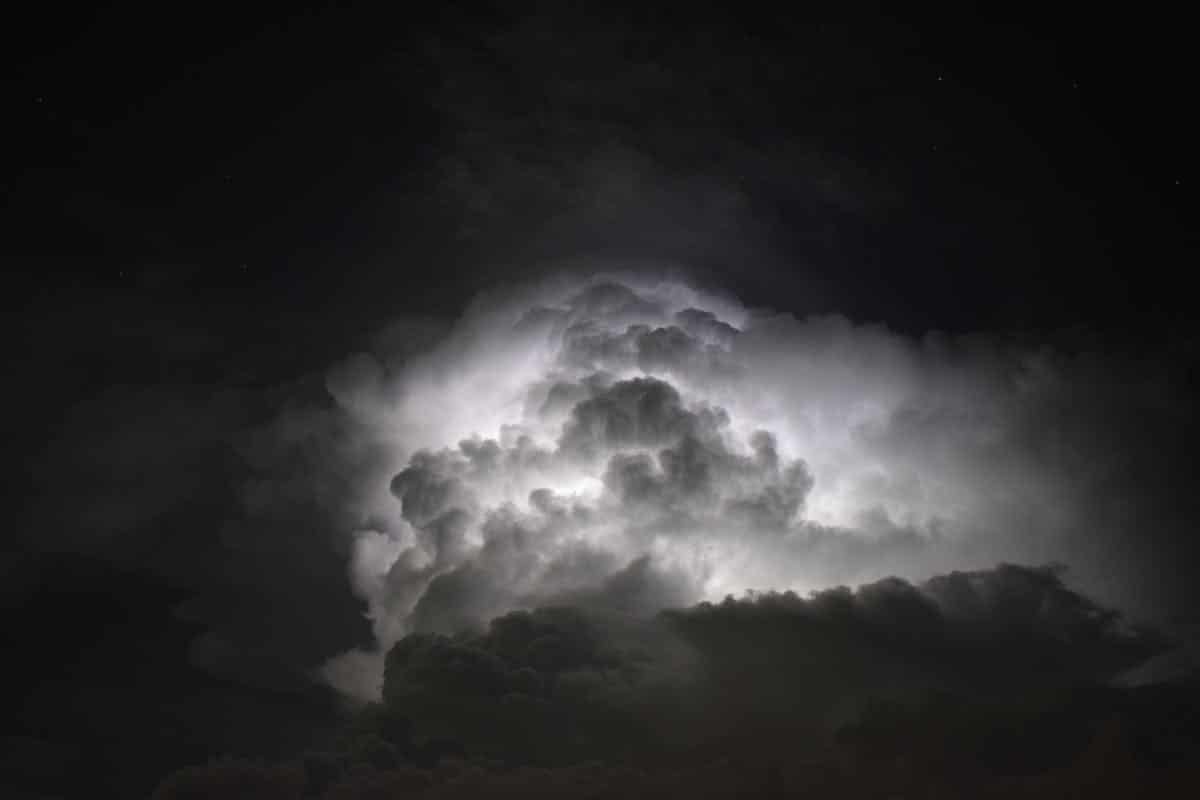
Let’s dive into the depths of the enigma that is the black cloud. This enigmatic phenomenon, which has long intrigued scientists and weather enthusiasts, is a spectacle as mysterious as it is impressive. Black clouds, often associated with violent storms and extreme weather conditions, pose a real challenge for scientific research. They symbolize a powerful and unpredictable nature that evokes both fear and fascination. They are a riddle that mankind has been trying to decipher for centuries, guided only by curiosity and the desire to understand the universe around us.
The Mysterious Origins of the Black Cloud: An Investigation
The origin of the black cloud is a topic that raises many questions among scientists. Although various factors may contribute to the formation of these dark clouds, their interpretation remains widely debated.
Certainly, one of the key factors in the appearance of the black cloud is the condensation and rapid cooling of warm, humid air at high altitudes. This can occur when a mass of cold air meets a warmer and less stable air mass, creating a zone conducive to the formation of cumulonimbus. These large clouds can reach high altitudes, producing an impressive visual effect with their characteristic dark color.
Another hypothesis put forward to explain the phenomenon is related to the particles present in the atmosphere. Aerosols such as fine dust or pollutants can play an important role in coloring the cloud by absorbing or further scattering incoming sunlight.
Some researchers have also suggested that complex chemical reactions between certain atmospheric compounds could be responsible for this black hue. Interactions between gases present in the atmosphere, such as sulfur dioxide or volatile hydrocarbons, could lead to oxidation processes that promote a darker coloration of the sky.
Despite all these promising theories, there is still no scientific consensus on the interpretation of the black cloud. Researchers continue to conduct studies and in-depth research to understand the underlying mechanisms of this fascinating phenomenon.
Indeed, it is crucial to better understand the origin of the black cloud in order to more accurately predict its appearance and potential consequences on our environment. This would also allow for more effective measurement of the impact of climate change on the formation and behavior of these unique clouds.
The mystery surrounding the origin and physical properties of black clouds remains intact. The exact interpretation of this phenomenon continues to fuel scientific debates, while researchers strive to uncover all the secrets they hold. One thing is certain: as long as their riddle remains unsolved, we will remain captivated by their dark and enchanting beauty that defies our current understanding.
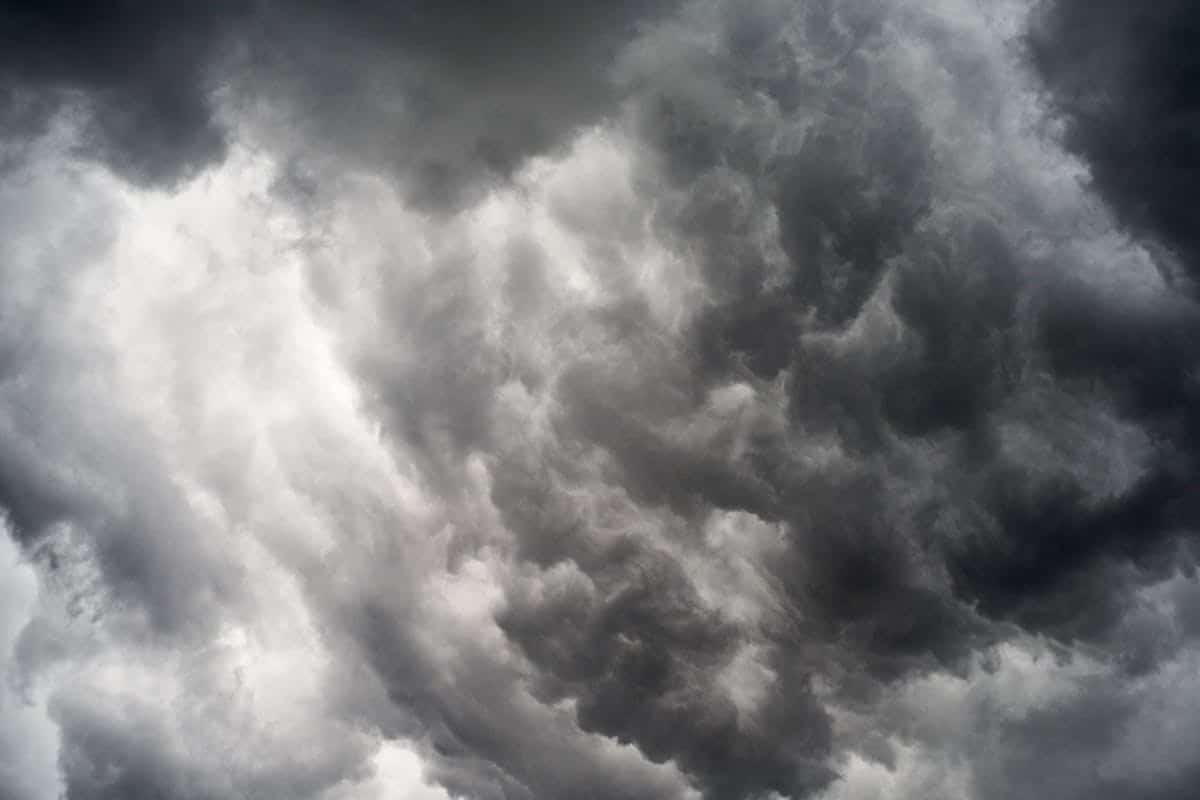
Understanding the Formation and Composition of the Black Cloud
Unraveling the formation and composition of the black cloud remains an ongoing quest for researchers specializing in this mysterious field. Significant advances have been made in recent years, but many unknowns still need to be clarified.
The formation of the black cloud is a complex process involving various atmospheric factors. It all begins with the encounter between a warm, humid air mass from tropical regions and a colder air mass from the poles. This interaction creates a weather front where warm air rises rapidly, thus forming cumulonimbus clouds, also known as ‘thunderstorm clouds.’
It is within these imposing cumulonimbus clouds that the famous black cloud, so extensively studied, forms. Its dark color primarily comes from the particles present in the atmosphere, such as aerosols or fine dust. These particles are capable of absorbing or further scattering incoming sunlight, giving the cloud its characteristic hue.
Some atmospheric gases may also play a key role in the coloration of the black cloud. Complex chemical reactions between these gaseous compounds contribute to intensifying this captivating dark hue.
Scientists have identified several potential elements responsible for this intriguing black coloration of the sky when observed with precision and attention: sulfur dioxide (SO2), volatile hydrocarbons (VOCs), and even organic compounds such as black carbon. These elements interact and combine in the atmosphere, creating a darker pigmentation of the cloud.
Despite these advances, it should be noted that there is still no scientific consensus on the exact formation and precise composition of the black cloud. Researchers continue to explore different theories and conduct thorough experiments to better understand this fascinating phenomenon that amazes us all.
Understanding the underlying mechanisms of black cloud formation is of paramount importance, both scientifically and socially. Indeed, this would not only improve our weather and climate forecasts but also enhance our understanding of the environmental impact of this unique phenomenon.
Decoding the Different Types of Black Clouds
In the captivating universe of weather phenomena, black clouds hold a unique place. Their imposing presence in the sky evokes both fascination and concern among observers.
Among these dark formations, three main types can be distinguished: cumulonimbus, nimbostratus, and pyrocumulus.
The cumulonimbus clouds are undoubtedly the most impressive. Their majestic appearance is characterized by their anvil shape. These massive clouds often rise to the tropopause, the upper limit of the troposphere. Their dark color is due to their high density resulting from a strong concentration of water in liquid or solid form.
It is within this type of cloud that violent phenomena such as thunderstorms accompanied by lightning and heavy precipitation frequently develop. The powerful wind gusts that can result can be devastating for anything in their path.
We have the nimbostratus clouds, which have a less threatening appearance but are no less interesting. They are generally associated with continuous rainy or snowy weather over a wide area. The nimbostratus clouds often cover the entire sky with a uniform and dense veil, giving an impression of atmospheric oppression.
Unlike the aggressive cumulonimbus, they do not generate violent phenomena. Their dark color is primarily due to the high concentration of water droplets in the lower layers of the cloud.
We encounter the pyrocumulus clouds, also known as fire clouds. These particular formations are created by intense fires or explosions that produce an ascending column of heat and smoke. The intense heat then causes rapid condensation and the formation of a characteristic black cloud.
Unlike the other types mentioned earlier, pyrocumulus clouds are not exclusively associated with adverse weather conditions. They can form during volcanic eruptions or even during underground nuclear tests.
The study of the different types of black clouds offers a fascinating insight into the complexity of atmospheric phenomena. The powerful and threatening cumulonimbus, the enveloping and oppressive nimbostratus, and the pyrocumulus born from destructive chaos stimulate our curiosity while evoking respect and admiration for the natural forces that govern our world.
The Alarming Consequences of the Black Cloud on Health
Although black clouds are impressive weather phenomena, their presence is not without consequences for our health. Indeed, these dark formations can have a direct and indirect impact on our bodies.
One of the most obvious effects is the decrease in ambient light caused by the black cloud. This sudden darkness can disrupt our circadian rhythm and lead to sleep disorders. Indeed, our bodies need regular exposure to light to effectively regulate our wake-sleep cycles.
Some types of black clouds, such as cumulonimbus clouds laden with fine particles or atmospheric pollutants, can cause a deterioration of air quality. Studies have shown that breathing this polluted air can worsen respiratory symptoms in individuals already suffering from lung problems such as asthma or chronic bronchitis.
When a thunderstorm forms in a dense black cloud such as a cumulonimbus, there is often intense electrical activity accompanied by lightning strikes. These lightning strikes can be dangerous to our health as they generate powerful electromagnetic fields that can interfere with our nervous and cardiovascular systems.
Certainly less known but equally important to mention is the psychological impact that the presence of a black cloud can have. The sight of these dark and threatening formations can generate anxiety, stress, or even emotional disturbances in some individuals. The fear associated with a violent thunderstorm or sudden darkness can provoke physiological reactions such as increased blood pressure or heart rate.
Be mindful of the health consequences related to black clouds. It is recommended to protect oneself when they are present by staying indoors, avoiding outdoor activities that may expose us further to fine particles and atmospheric pollutants, and following weather forecasts to anticipate violent episodes such as thunderstorms.
While the spectacular display offered by black clouds may captivate our imagination, we must not overlook their potential effects on our health. By better understanding these consequences, we will be better equipped to take care of ourselves when these fascinating phenomena unfold in the sky.