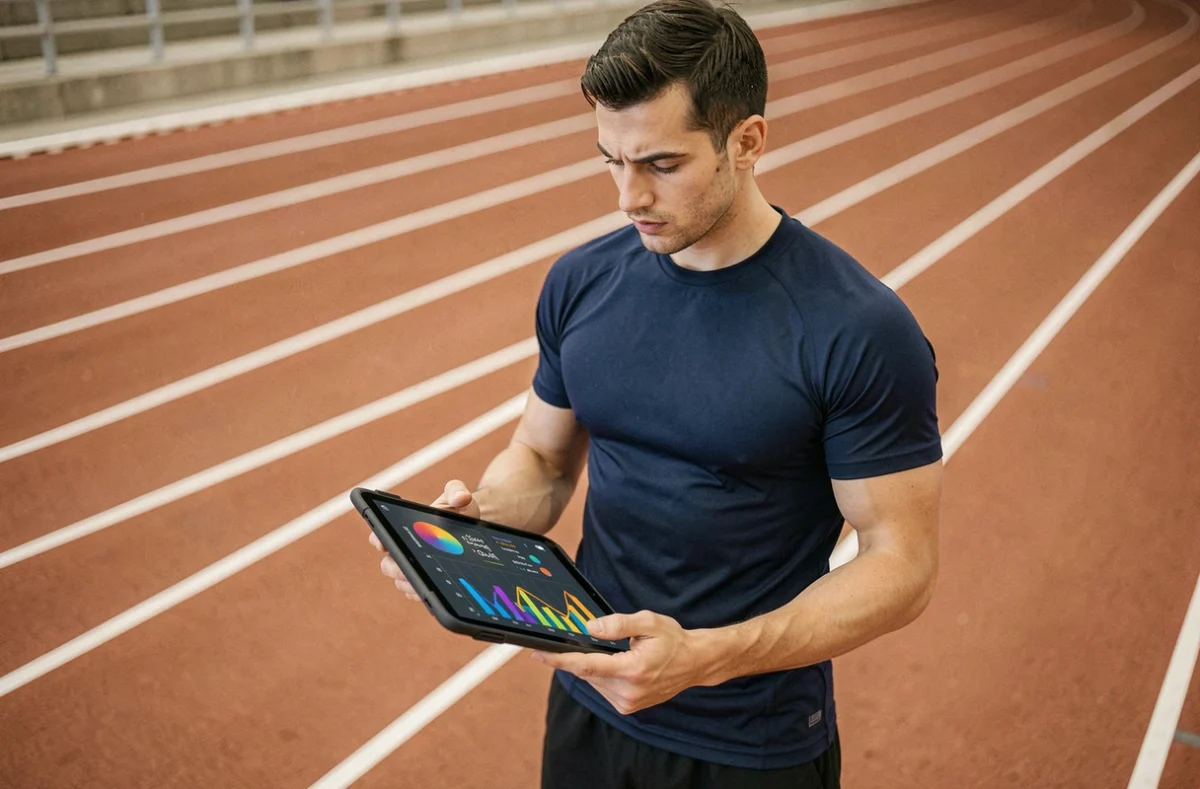
Digital sports tracking generates growing volumes of data, from heart rates and training loads to recovery times. Ideosport has carved out a niche by offering coaches and athletes a tracking platform designed to turn this data into tangible progress. The promise is clear: to make progress measurable for every athlete working with a club or individual coach.
Health data and sports tracking: what the GDPR requires before you measure anything
Before even discussing progress, one regulatory question shapes everything else. The CNIL points out that health data can be inferred by combining several pieces of information collected by a sports app. Heart rate, sleep quality, training load: taken individually, these metrics may seem harmless. Combined, they fall within the scope of data subject to enhanced protection under the GDPR.
For a platform like Ideosport, this means the distinction between “training data” and “health data” is not as clear-cut as it might seem. A coach viewing an athlete’s profile may potentially access sensitive information, even if the interface does not present it as such.
Young athletes add another layer of complexity. Article 45 of the French Data Protection Act governs the collection of data from minors, and sports federations must take this into account when ensuring compliance. A club adopting a digital tracking tool must check that its data collection and sharing settings meet these requirements, rather than simply ticking a consent box.
When exploring Ideosport’s sports tracking tool, the platform highlights training plan management and data synchronization between coach and athlete. Every organization should ask how these data flows are technically protected before rolling out the platform.
Sports performance metrics: choose the right ones instead of collecting more
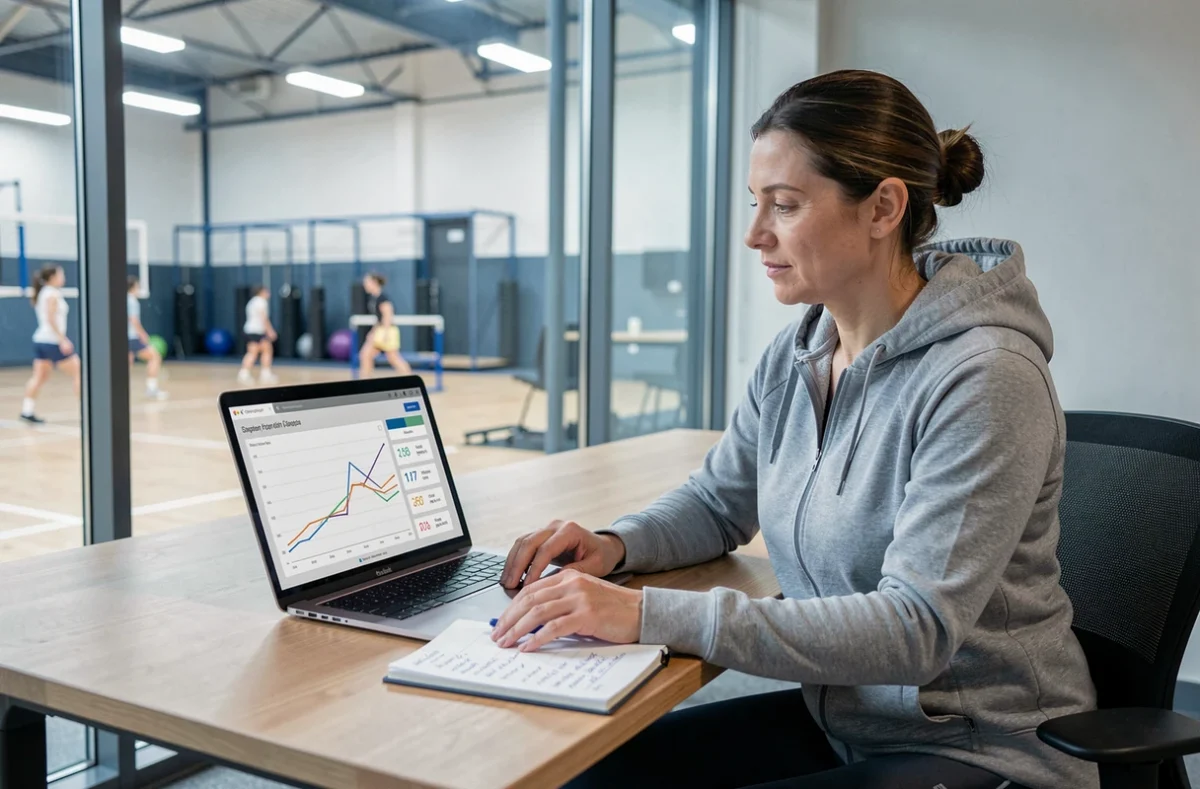
The main limitation of tracking platforms is not the technology, but the choice of metrics. Collecting charts on training volume, average speed, or heart rate variability does not automatically lead to progress. Measurable progress depends on choosing metrics suited to the goal, not on multiplying dashboards.
A swimmer training for a 200 m race does not need the same metrics as a marathon runner. The swimmer benefits from tracking split times and the relationship between stroke length and stroke rate. The runner monitors threshold pace and consistency from kilometer to kilometer. If the platform offers the same default metrics to both athletes, the data displayed may not reflect their actual progress.
What athletes should check on their dashboard
- Do the metrics shown match their current athletic goals, or are they generic and identical for all platform users?
- Are missing data (unrecorded sessions, disconnected sensors) flagged, or do the calculated averages conceal these gaps?
- Can athletes distinguish data they enter manually from data automatically imported by a sensor, so they can assess the reliability of each source?
Incomplete data can distort the progress curve without the user realizing it. If two out of five sessions were not synced in a given week, the result may look like a fictitious drop in training load, wrongly interpreted as a need for recovery.
Sharing settings and coach access: who can see what in Ideosport
Synchronization between athlete and coach is one of Ideosport’s main selling points. The coach receives the data, adjusts the plan, and the athlete follows it. This setup assumes that both parties clearly understand which data is shared and with whom.
The CNIL stresses the need to clearly inform users about who receives their data when an app allows synchronization or cloud backups. In practice, when an athlete joins a club through the platform, are they agreeing to share data only with their coach, or with the entire coaching staff?
The lines between e-commerce, administration, and performance tracking can sometimes blur. Ideosport combines online sales features (training plans, coaching subscriptions, equipment) with sports tracking. An athlete who buys a plan through the integrated store and syncs their training may not always be operating within the same data framework, even though the interface can make it feel like a single, unified space.
Exporting and transferring sports data
One point rarely addressed by tracking platforms is the ability to export data in a usable format. Athletes who change coaches or clubs need to retrieve their history. Without an export option, months of accumulated data remain locked into the platform, and their progress tracking starts from scratch elsewhere.
The GDPR’s right to data portability provides a legal framework for this request. In practice, how easy it is to export data varies considerably from one app to another.
Automated recommendations and the European AI Act
If Ideosport or a similar platform moves toward automated recommendations (adjusting training load, suggesting recovery, or flagging overtraining), a new regulatory framework comes into play. The European AI Act, which entered into force on August 1, 2024, provides for a phased rollout, with obligations depending on the system’s intended purpose and risk level.
An app that simply displays charts is not subject to the same rules as one that recommends reducing training intensity based on an algorithm. To end users, the line between a display tool and a recommendation system is not always clear.
For clubs and coaching organizations, this regulatory shift means checking with each platform update whether new features cross the threshold into automation under the Act.
Measuring an athlete’s progress depends as much on choosing the right metrics rigorously as it does on the technology used. Sports tracking platforms like Ideosport provide the infrastructure, but the reliability of the progress shown depends on settings that every athlete and coach must actively check: relevant metrics, complete data, and carefully managed sharing settings.