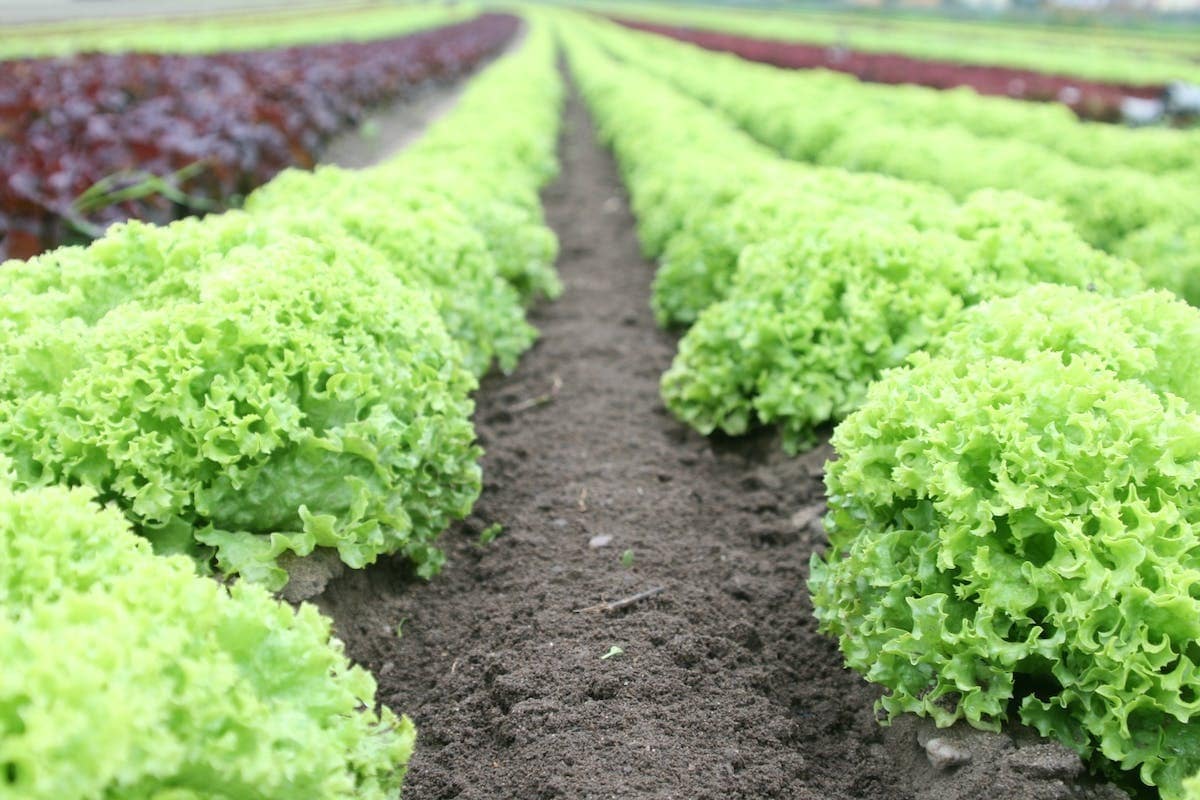
In the great book of gardening, growing lettuce is often presented as an easy and rewarding task. However, many struggle to achieve satisfactory results. Between diseases, pests, and unpredictable weather, growing lettuce can quickly become a challenge. But don’t be discouraged! With a few tips and plenty of patience, it is entirely possible to speed up the growth of your lettuce and harvest beautiful, tasty leaves in no time. So, grab your spade and seeds; it’s time to take action!
Grow delicious lettuce in your garden: the basics to know
In gardening, the question ‘how long does it take for lettuce to grow’ is crucial for growers. Indeed, choosing a variety suited for rapid growth allows you to enjoy the fruits—or rather the leaves—of your labor quickly, while also optimizing the use of space in your vegetable garden.
Among the varieties known for their quick growth, Batavia and Romaine stand out particularly. They can be ready for harvest in about 30 days after sowing under optimal conditions. Note that certain factors such as soil temperature and sun exposure can influence the exact timing.
If you want even faster results, turn to microgreens like wild arugula or watercress, which grow in just 14 days! These small lettuces are also very nutritious and make an excellent addition to healthy sandwiches or green smoothies.
There are also hybrid varieties specifically designed to accelerate their growth cycle thanks to their unique genetic properties. For example, some F1 varieties (first generation from a cross) have been selected to produce a compact head ready for picking very quickly.
However, remember that good soil preparation and regular watering are essential regardless of your choice. Using a nitrogen-rich organic fertilizer will greatly contribute to the success of your crops.
You must also remember that choosing the right seeds plays a key role in this race against time in horticulture: always opt for seeds whose label explicitly mentions ‘fast-growing’ or ‘short cycle.’ The more these terms appear on the package, the better!
In this frantic search for ‘how long does it take for lettuce to grow,’ keep in mind that each plant evolves at its own natural pace, which can sometimes differ slightly even between two plants from the same packet…

Select fast-growing lettuce varieties for quick results
Careful soil preparation is essential to promote the rapid and vigorous growth of lettuce in your garden. Here are some key steps to follow:
It is crucial to thoroughly clean the area of all plant debris and weeds. This helps eliminate unwanted competitors that could hinder the development of your lettuce.
Proceed with deep tilling to aerate the soil and facilitate the rooting of seedlings. Use an appropriate tool such as a fork-spade or a tiller to loosen the soil to a depth of at least 20 centimeters.
After completing this initial work, add compost or well-decomposed manure to the soil. These organic amendments enrich the soil with nutrients essential for lettuce growth. Be sure to evenly distribute this organic matter over the entire area before incorporating it with a rake.
To further optimize growing conditions, you can also make an additional application of specific fertilizer for leafy greens rich in nitrogen. This nutrient particularly promotes leafy development in lettuce, ensuring their good growth.
Speed up lettuce seed germination: practical tips
To stimulate the growth of lettuce in your garden, consider providing them with the necessary care. Here are some tips to speed up the process and achieve a bountiful harvest.
Choose an appropriate location to plant your lettuce. They generally prefer sunny spots with well-drained, fertile soil. Ensure that the soil is worked deeply before planting to encourage rooting and allow the roots to develop properly.
Be sure to maintain adequate irrigation. Lettuce needs regular but moderate watering to avoid excess water that could lead to fungal diseases or root rot. Instead, use a drip irrigation system to deliver water directly at the root level without excessively wetting the leaves.
Another essential practice is mulching. Mulch helps retain soil moisture, prevents weed growth, and also protects sensitive roots from temperature fluctuations. Choose an organic mulch such as straw or compost to gradually nourish the soil over time.
Regarding feeding, it is recommended to use a balanced fertilizer rich in nutrients such as nitrogen, phosphorus, and potassium (NPK). Apply this fertilizer according to the instructions on the package to provide lettuce with the essential elements for healthy and vigorous growth.
Take care of your lettuce for optimal growth: essential tips
Once your lettuce has reached its ideal size, it’s time to harvest. This step requires a bit of attention to preserve the freshness and flavor of the leaves. Most varieties of lettuce are ready to be harvested when the outer leaves are well-developed but before the plant starts to bolt.
To harvest lettuce, you can use a clean pair of scissors or simply cut the leaves with your hands. Be careful not to damage the heart of the plant so that it can continue to produce new leaves. Only cut what you need to avoid waste and allow other unused plants to continue their growth.
After harvesting your lettuce, it needs to be stored so you can make the most of your hard work in the garden. If you do not plan to use it immediately, be sure to remove any dirt or potential insects by gently rinsing the leaves under a stream of cold water.
Place them in a perforated plastic bag or in an airtight container lined with a damp paper towel to maintain moisture without creating too much condensation that could lead to rapid deterioration of the leaves.
It is also recommended to store your lettuce in the refrigerator where it will stay fresher for a few more days. Avoid placing them near fruits that emit ethylene, a substance that accelerates the ripening process and can cause premature leaf deterioration.
If you want to keep your lettuce longer, it is possible to freeze it. To do this, briefly blanch the leaves in boiling water for a few seconds, then immediately plunge them into an ice water bath to stop the cooking. Drain well before placing them in airtight bags suitable for freezing.
By following these simple tips, you can fully enjoy the fresh, crunchy taste of lettuce picked straight from your garden throughout the summer season. So don’t hesitate to put these tips into practice to speed up their growth and savor every bite filled with natural and healthy flavors.
Harvest and store your lettuce: fully enjoy their accelerated growth
In your garden, you should sow fresh seeds throughout the season. Sow a few seeds every two weeks to stagger the harvest and avoid a sudden surplus that is difficult to consume.
Don’t forget to regularly monitor your crops. Inspect them carefully for any pests such as aphids or slugs. An early treatment will help prevent a major infestation that could slow their growth.
By following these simple and effective tips, you are sure to accelerate the growth of lettuce in your garden and fully enjoy their nutritional benefits as well as the pleasure they provide when carefully harvested at home.