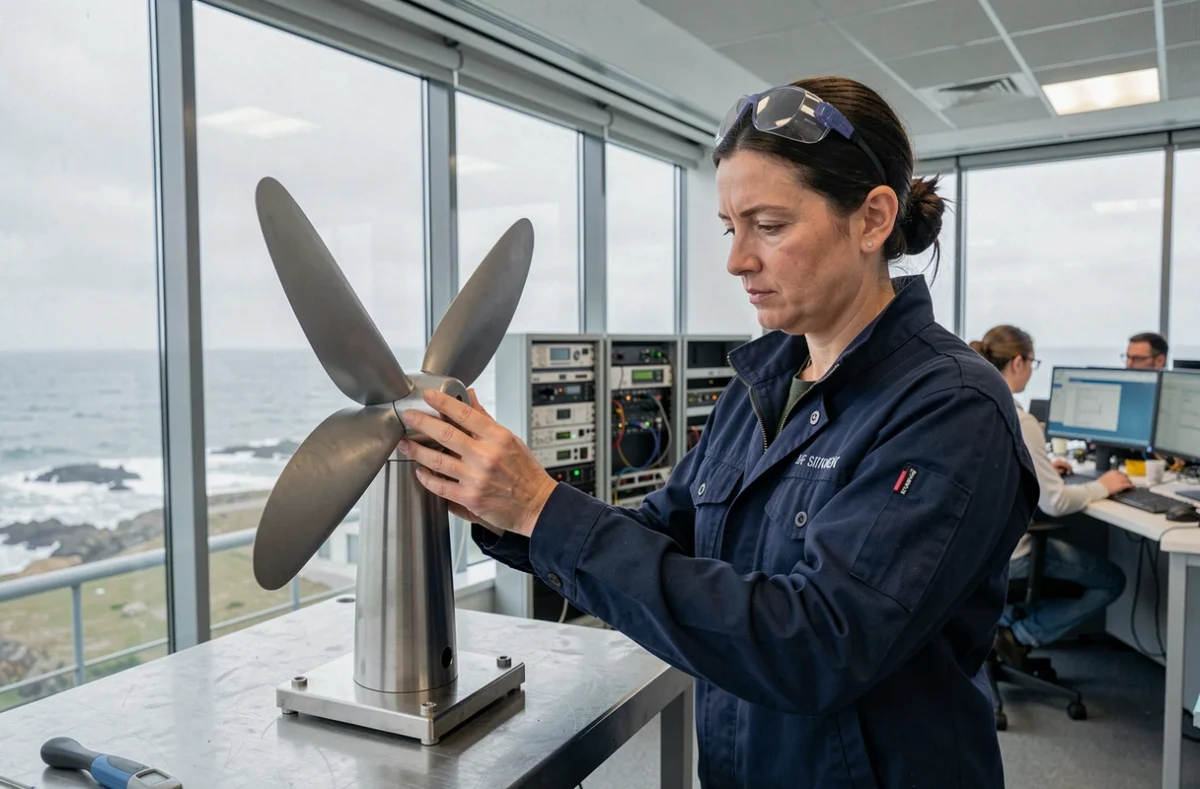
Which technology sectors are progressing the fastest in Brittany, and on what criteria can this advancement be measured? Between photonics, maritime cybersecurity, ship decarbonization, and quantum sensors, the region concentrates projects whose maturity varies greatly from one sector to another. Mapping these gaps helps to understand where Brittany is truly innovating and where it is still in the experimental stage.
Tech sectors in Brittany: comparative maturity of key projects
Brittany’s technological innovations do not progress at the same pace. Some have already crossed the threshold of industrialization, while others remain in the prototype or working group stage. The table below compares four sectors based on the available information.
| Sector | Key project or player | Stage reached | Concrete marker |
|---|---|---|---|
| Photonics | Cailabs (Rennes) | Industrialization | Construction of a new factory, optical solar stations have become the primary sector of activity since 2021 |
| Maritime decarbonization | Pass’Avel (Morbihan) | First trials in service | First crossings in 2026, electric and sail propulsion |
| Maritime cybersecurity | Bretagne Cyber Alliance | Structuring | Formation of a working group dedicated to ships, ports, and industrial systems |
| Quantum metrology | Kwan-tek | Acceleration program | Selection in the 2026 cohort of French Tech 2030, diamond-based sensors |
The gap between Cailabs, which is building a factory, and Kwan-tek, which is entering a national acceleration program, illustrates the diversity of development stages within the same region. Several resources track the evolution of these sectors, notably the tech site of Destination Brittany, which lists players by domain.
Photonics and cybersecurity: two distinct industrial trajectories in Brittany
Rennes’ photonics has reached a level that few Breton tech sectors can claim. Cailabs, specialized in shaping light, has made optical solar stations its primary market. The construction of a new factory in Rennes signifies a shift from R&D to mass production.
Brittany’s cybersecurity is following a different path. Companies like Anozr Way and Glimps are part of the 2026 cohort of the French Tech 2030 program, confirming their technological potential. However, their specialty remains focused on software and services, with shorter commercialization cycles but no physical production volumes.
A specific case: cybersecurity applied to maritime
Maritime cybersecurity represents a unique intersection of sectors in Brittany. Bretagne Cyber Alliance has formed a working group targeting vulnerabilities of ships, ports, and their industrial systems. This topic goes beyond the classic scope of software cybersecurity: it involves securing embedded sensors, navigation systems, and communication protocols specific to the maritime world.
The region has a geographical and economic advantage for developing this niche. A concentration of ports, shipyards, and military bases in the same territory creates a testing ground that is difficult to replicate elsewhere in France.
Maritime decarbonization in Morbihan: from prototype to real service
The Pass’Avel ship, with electric and sail propulsion, made its first crossings in 2026. This transition from prototype to operation under real conditions marks a significant step for the decarbonization of coastal maritime transport in Brittany.
Three intercommunalities in Morbihan have launched a sector dedicated to decarbonized maritime mobility. A coordination mission is planned to facilitate the transition from prototypes to industrialization. This institutional structuring distinguishes Morbihan from other coastal territories where initiatives remain isolated.
- The Pass’Avel combines two modes of propulsion (electric and sail), reducing dependence on a single energy source and extending the ship’s operational autonomy.
- Coordination between intercommunalities aims to pool port infrastructure for charging and maintenance, a cost factor that often hinders the deployment of decarbonized ships.
- The sector targets coastal passenger transport, a segment where short and repetitive trips are better suited for electrification than long-distance freight transport.
Quantum sensors and French Tech 2030: what Kwan-tek’s selection reveals
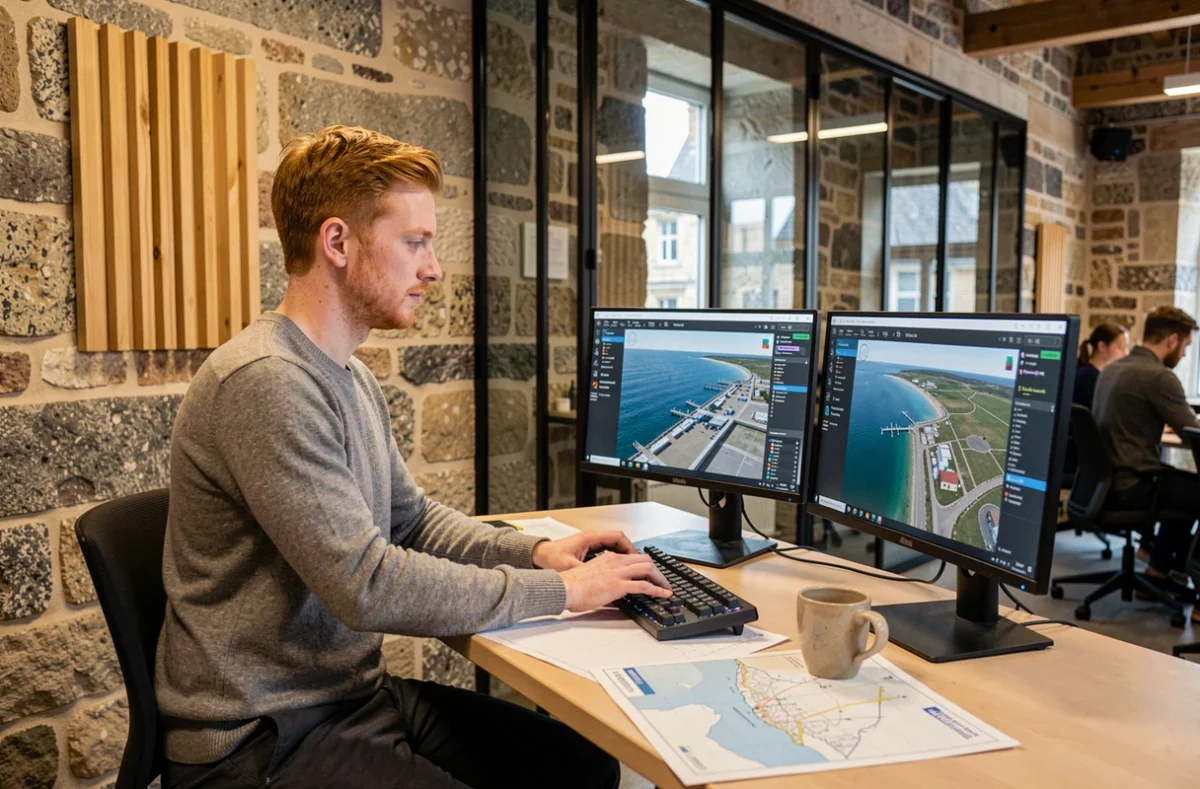
Kwan-tek develops quantum metrology instruments with diamond-based sensors. Its selection in the 2026 cohort of French Tech 2030 places the company in a national acceleration program alongside players like Cailabs, Anozr Way, and Glimps.
The technologies covered by these Breton companies range from photonics to cybersecurity, including quantum metrology, an unusually broad spectrum for a territory of this size.
Quantum metrology: a market still under construction
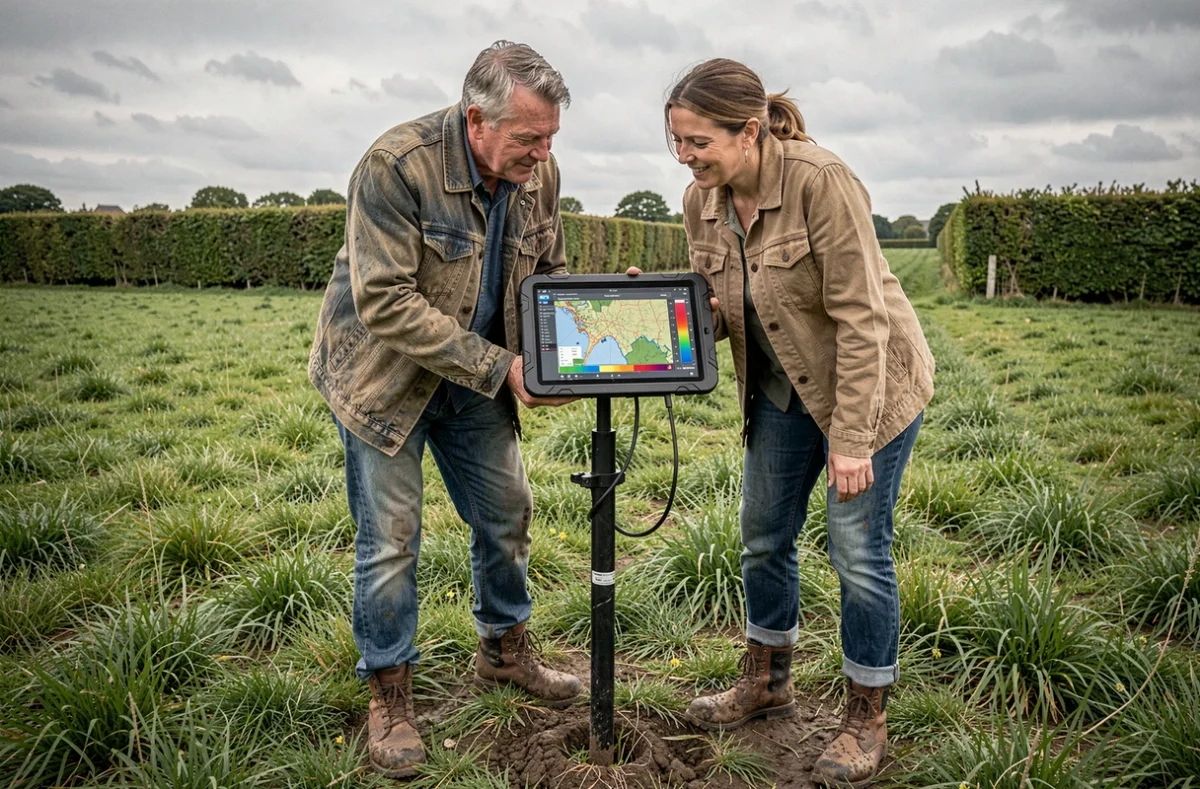
Kwan-tek’s diamond-based sensors belong to a technology whose industrial applications are not yet stabilized. Unlike Cailabs, which is already producing at scale, Kwan-tek is at the stage of technological validation and market targeting. The French Tech 2030 program provides a framework to accelerate this transition, with support for financing and access to initial industrial clients.
The maturity gap between these two Breton companies, both selected in the same national program, aptly summarizes the technological situation of the region. Brittany simultaneously produces innovations ready for export and breakthrough technologies still in exploratory phases. This coexistence of very different development stages is likely the most distinctive feature of the current Breton tech ecosystem.